Situation: an old car
How to scrap an old car
Sometimes nothing has gone wrong except time. If an older car is costing more to keep than it gives back, scrapping it properly ends those costs and gives the car a useful last job as recycled material.
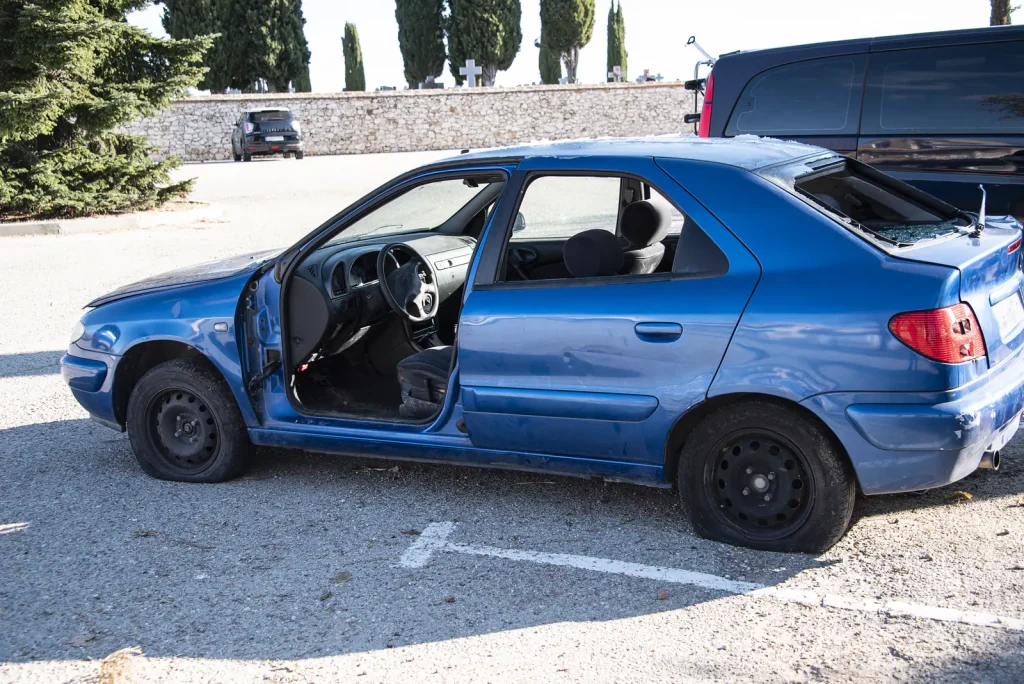
The decision
Adding up the cost of keeping it
Insurance, tax, servicing, the next MOT and parking all cost money, even for a car that rarely moves. In some cities an older car can also face daily charges in a clean air zone or the London ULEZ.
Scrapping a car you no longer need stops those costs, returns any full months of vehicle tax, and moves the car to a facility that recycles it rather than letting it rust on a drive.
Before it goes
- Check the service history for the buyer
- Take out the owner's manual if you want a keepsake
- Keep a private plate if it has one
- Note the tax due date for your refund
Signs it is time
When owners usually decide
- 1.
Repairs outpace value
Each service or test brings a bill bigger than the last.
- 2.
Parts are hard to find
Older or rarer models can wait weeks for components.
- 3.
Emission zone charges
Older petrol and diesel cars may not meet the zone standards.
- 4.
It has stopped being used
A second car that sits for months still needs tax or a SORN.
The method
The four steps still apply
Whatever state the car is in, scrapping it follows the same route.
- 1
Find out what it is worth
Enter the registration and the postcode where the car is parked. That is enough for a licensed buyer who covers the area to look the car up and come back with an offer.
Why it mattersKnowing the value first stops you guessing. An honest description of faults and missing parts means the figure you hear is the figure you are paid. - 2
Get the car ready
Take out everything personal, deal with any private number plate, and find the V5C logbook if you have it. Nothing needs to be repaired, cleaned or drained.
Why it mattersA private plate has to be taken off the record before the car is scrapped. Once the car is destroyed, the right to the number goes with it. - 3
Hand it over
A recovery driver collects the car from wherever it stands, at a time you agree, and you are paid by bank transfer. The car then goes to an Authorised Treatment Facility.
Why it mattersPaying cash for a scrap car is illegal in England, Wales and Scotland. A traceable payment protects you as well as the buyer. - 4
Close the record
Tell the DVLA the car has been scrapped, keep the Certificate of Destruction the facility issues, and expect a refund for any full months of tax.
Why it mattersUntil the DVLA knows, the car is still linked to you. The Certificate of Destruction is your proof if a fine or tax letter ever arrives.
Questions
An old or unwanted car: questions
Short, straight answers. The guides go into more depth.
Is an old car worth anything for scrap?
Usually, yes. Offers reflect the weight of metal and any parts that are still in demand, so even a car at the very end of its life tends to have some value.
Could an old car be a classic?
Possibly. If it is rare or historic, check with an owners' club before scrapping it, because a restorer may pay more than a scrap buyer.
Do I need the V5C logbook to scrap a car?
It helps, but it is not essential. Without one, you tell the DVLA by letter instead of online, giving the registration, make, model, the date of scrapping and the facility's name and address.
Who tells the DVLA that the car has been scrapped?
You should. Use the DVLA's online service with the 11-digit reference from your logbook, or send the yellow section by post. Without that step the car stays linked to you, and the DVLA can fine you up to £1,000.
Situations
Other situations
Each page explains what is different about scrapping a car in that state, and what stays the same.
A failed MOTWhen the repair list is longer than the car is worth.Read more An insurance write-offCategory A, B, S or N, and who holds the paperwork.Read more Accident damageCollision, flood or fire damage, collected as it stands.Read more Engine or gearbox failureA single expensive fault that ends the car's useful life.Read more A car that won't runFlat, seized, forgotten or left on a drive for years.Read more A salvage carWhen the parts are worth more than the whole.Read more
Ready when you are
Start with the registration and postcode. A licensed buyer covering your area comes back with an offer, and collection is free.